TM30 Explained: What Foreign Tenants in Thailand Need to Know

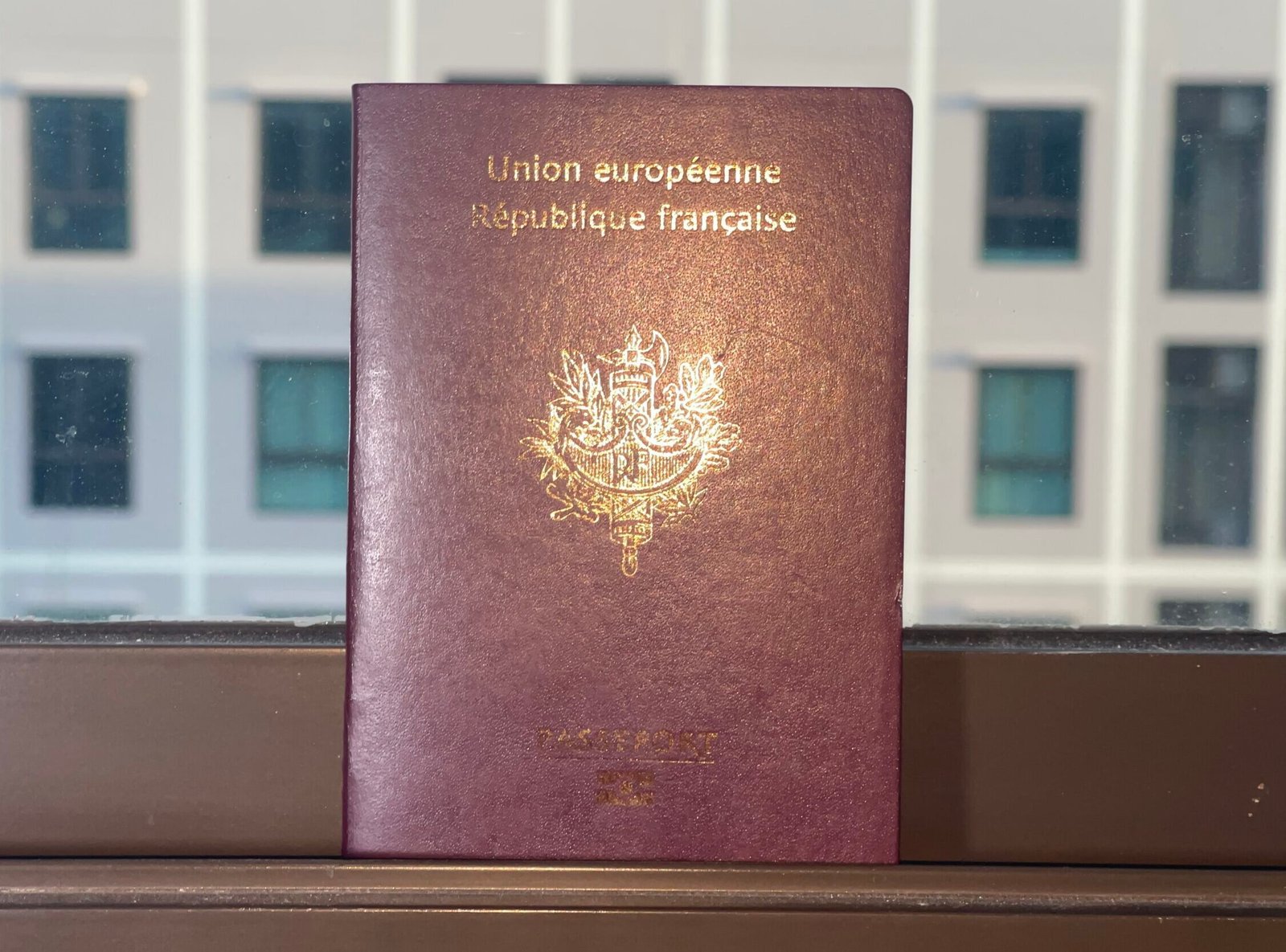
If you are renting in Thailand on a foreign passport, TM30 is the piece of paperwork most likely to cause you trouble later — usually because a landlord never filed it. Here is what the law actually says, and who is responsible.
What TM30 is
TM30 is the form used to notify Immigration that a foreign national is staying at a particular address. It comes from Section 38 of the Immigration Act B.E. 2522 (1979). It is separate from your visa and separate from 90-day reporting.
It applies to foreigners who have permission to stay in Thailand on a temporary basis — tourists, visa holders, workers on non-immigrant visas.
Whose job is it?
Not yours. Section 38 puts the duty on the house master, the owner or possessor of the residence, or the hotel manager. The Immigration Bureau lists who that covers in practice: licensed hotels, guesthouses, mansions, apartments and rented houses.
A hotel files it for you when you check in. A private landlord has to do it themselves — and plenty do not.
The 24-hour deadline
The law requires the notification within 24 hours from the time the foreigner arrives to stay. That is why we ask for your passport details when you book rather than when you arrive — if your flight lands at 1 a.m., the clock is already running.
Where it is filed
At the immigration office for the area where the property is. In Bangkok, that is Immigration Division 1 at the Government Complex on Chaeng Watthana Road, Lak Si. Where a province has no immigration office, it goes to the local police station.
How it is filed
The Immigration Bureau accepts four ways:
- In person at the immigration office
- Through an authorised person at the office
- By registered mail
- Online, through the Bureau’s system at tm30.immigration.go.th
For online filing, the property owner registers an account and adds the address. Immigration officers review and approve the address before it can be used — until then it shows as “Pending”. After that, each notification needs the tenant’s name, passport number, nationality, date of birth and check-in date. The system works on a computer, tablet or phone.
Proof of notification
Filed in person, the officer checks the form and hands back the lower part of it, which must be kept. Filed online, the system lets the owner print evidence of the notification. Either way, it is your proof that your address is registered — keep a copy.
What happens if it is not filed
Section 77 of the Immigration Act sets the penalty: a fine of up to 2,000 THB for the house master, owner or possessor who fails to notify. For a hotel manager, the fine is 2,000 to 10,000 THB.
The fine falls on the landlord, not on you. But it is your address that is missing from Immigration’s records when you need it to be there.
What we do
We file the TM30 for every foreign tenant within 24 hours of arrival, and send you the proof of notification the same day.
If you leave Thailand during your stay, tell us when you are back and we file again. We treat every return as a new arrival, so there is never a gap in your record.
When you view an apartment anywhere in Bangkok, ask the landlord one question: do you file the TM30? If they hesitate, that tells you what the rest of the tenancy will be like.
This is general information based on the Immigration Act B.E. 2522 and the Immigration Bureau’s published guidance, not legal advice. For your own situation, check with your immigration office.
- Immigration Act B.E. 2522 (English), Samut Prakan Immigration: Sections 38 and 77
- Immigration Bureau: Notification of residence for foreigners (EN)
- Immigration Bureau: การแจ้งที่พักคนต่างด้าว (TH): Bangkok office, the four filing methods, officer approval for online accounts
- TM30 online system: Home and Notify Residence
- TM30 online system: FAQ: “Pending” address approval
We file the TM30 with Immigration for every tenant in Aspire Sukhumvit 48 and Regent Home Sukhumvit 81, so it’s handled before you arrive.